
2026 Electric Cycle Trends: Smart Features & Battery Innovations
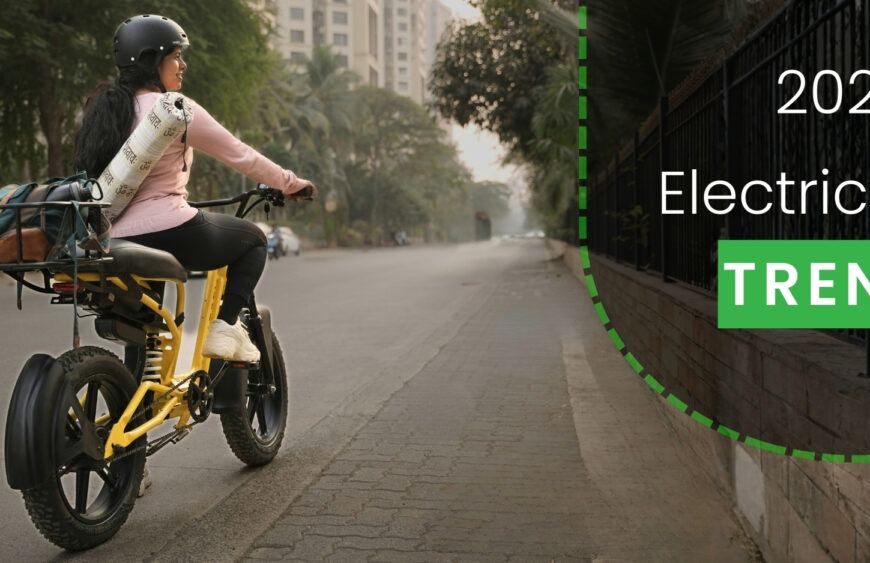
Electric cycle technology is evolving at an unprecedented pace, transforming these eco-friendly vehicles from simple motorized bicycles into sophisticated smart transportation devices. As we navigate through 2026, the electric cycle industry is experiencing a technological renaissance driven by artificial intelligence, advanced battery chemistry, and seamless connectivity. At Doddle, we’ve witnessed firsthand how these innovations are reshaping urban mobility across India’s metropolitan cities. Electric cycles like the Velzi electric cycle reflect how these trends are being applied in practical, rider-focused designs for Indian urban commuting. Today’s electric cycles offer features that seemed like science fiction just a few years ago-from AI-powered ride optimization to batteries that charge in under an hour. This comprehensive guide explores the cutting-edge electric cycle trends defining 2026, helping you understand what’s possible today and what’s coming tomorrow in the world of electric mobility.
What Are the Major Electric Cycle Trends Shaping 2026?
Electric cycle trends in 2026 reflect a broader shift toward integrated, intelligent transportation systems that prioritize user experience, sustainability, and connectivity. The industry has moved beyond simple motor-and-battery configurations to embrace comprehensive technological ecosystems that transform how riders interact with their vehicles.
Smart connectivity stands at the forefront of current trends. Modern electric cycles function as mobile data platforms, continuously communicating with smartphones, cloud services, and even other vehicles. This connectivity enables features ranging from theft protection and maintenance alerts to route optimization and social riding experiences that were impossible in earlier generations.
Battery technology has undergone revolutionary improvements. The latest electric cycle trends showcase solid-state batteries, silicon-anode lithium-ion cells, and advanced battery management systems that deliver longer ranges, faster charging, and extended lifespans. These innovations address the primary concerns that previously limited electric cycle adoption-range anxiety and charging inconvenience.
Artificial intelligence integration represents another defining trend. Machine learning algorithms now power features like adaptive pedal assist that learns your riding style, predictive maintenance systems that alert you before components fail, and intelligent route planning that considers real-time traffic, weather, and terrain data.
Sustainability has evolved from marketing buzzword to engineering priority. Electric cycle trends in 2026 emphasize recyclable materials, carbon-neutral manufacturing processes, and modular designs that extend product lifecycles through easy repairs and upgrades rather than complete replacement.
How Are Smart Connectivity Features Transforming Electric Cycles?
Current e-bike battery technology focuses on three primary objectives: increased energy density for longer range, reduced charging time for convenience, and extended lifespan for better value. Modern electric cycles connect seamlessly with mobile apps via Bluetooth 5.0 or WiFi, creating comprehensive digital ecosystems around the riding experience.
GPS tracking and anti-theft features have become standard rather than premium additions. If someone moves your electric cycle without authorization, you receive instant smartphone notifications with real-time location tracking. Some advanced systems integrate geofencing that triggers alarms when the bike exits predefined areas. At Doddle, we’ve seen theft recovery rates improve dramatically with these intelligent security systems, providing peace of mind for urban riders.
Ride analytics platforms transform casual cycling into data-rich experiences. Your smartphone app tracks distance, average speed, calories burned, carbon emissions saved, elevation changes, and detailed route maps for every ride. Over time, this data reveals patterns and provides insights into your riding habits, fitness improvements, and environmental impact. Some platforms include social features allowing you to compare statistics with friends, join virtual challenges, and share favorite routes.
Remote diagnostics and maintenance monitoring represent practical applications of connectivity. Your electric cycle continuously monitors battery health, motor performance, brake wear, and component condition. The system alerts you when maintenance is due, recommends service centers, and can even schedule appointments automatically. This proactive approach prevents breakdowns and extends component lifespan through timely intervention.
Voice assistant integration is emerging as a convenient trend. Some 2026 electric cycles include built-in microphones and speakers enabling hands-free control through Siri, Google Assistant, or Alexa. You can request navigation directions, check battery levels, adjust assist settings, or control music playback without removing your hands from handlebars or eyes from the road.
What Battery Innovations Are Revolutionizing Electric Cycle Range?
Electric cycle trends in battery technology focus on three primary objectives: increased energy density for longer range, reduced charging time for convenience, and extended lifespan for better value. The innovations emerging in 2026 address all three simultaneously.
Silicon-anode lithium-ion batteries represent the current generation’s breakthrough technology. Traditional lithium-ion batteries use graphite anodes, but silicon can theoretically store ten times more lithium ions. Practical implementations in 2026 achieve 30-50% higher energy density compared to previous generation batteries. For electric cycles, this translates to significantly extended range without increasing battery size or weight. Where earlier models offered 30-40 km range, similar-sized modern batteries deliver 50-70 km under comparable conditions.
Solid-state batteries are beginning to move from laboratory research toward early commercial adoption, primarily in limited-production and premium models. These batteries replace liquid electrolytes with solid materials, offering superior safety (no fire risk from electrolyte leakage), higher energy density, faster charging capability, and longer cycle life. While still premium-priced in 2026, solid-state batteries are appearing in high-end electric cycles, promising to become mainstream within 2-3 years as production scales and costs decline.
Fast-charging technology has evolved dramatically. Current electric cycle trends showcase charging systems that replenish 80% battery capacity in 30-60 minutes, compared to the 4-6 hours required by earlier generations. This improvement relies on advanced battery management systems that carefully regulate charging current and temperature to maximize speed while preventing degradation. Some premium models support even faster charging-reaching 50% capacity in just 20 minutes for quick top-ups during work breaks or coffee stops.
Battery management systems (BMS) have become increasingly sophisticated. Modern BMS monitors individual cell voltages, temperatures, and health status, balancing charge across cells to maximize capacity and lifespan. Smart BMS can adapt charging profiles based on usage patterns, environmental conditions, and battery age. Some systems include regenerative braking that recovers energy during deceleration, effectively extending range by 5-10% in typical urban riding with frequent stops.
Modular and swappable battery designs represent an emerging trend addressing charging convenience. Rather than waiting for your battery to charge, you simply swap a depleted battery for a fully charged one at designated stations. This approach, inspired by electric scooter networks, shows promise for electric cycles used in commercial applications like delivery services. Several pilot programs across Indian cities are testing battery swap infrastructure for electric cycles.
How Is Artificial Intelligence Enhancing Electric Cycle Performance?
Electric cycle trends increasingly incorporate AI and machine learning to create adaptive, personalized riding experiences that continuously improve. These intelligent systems analyze riding patterns, environmental conditions, and user preferences to optimize performance automatically.
Adaptive pedal assist represents the most visible AI application. Traditional electric cycles offer preset assist levels-low, medium, high-requiring manual adjustment based on conditions. AI-powered systems learn your preferred effort level, typical routes, and riding style, then automatically adjust motor assistance to maintain consistent rider experience. Approaching a hill? The system increases assistance seamlessly. Riding with tailwind on flat road? It reduces motor output to conserve battery. This intelligent assistance feels natural and intuitive, eliminating the need for constant manual adjustments.
Predictive maintenance systems use machine learning to identify potential component failures before they occur. By analyzing vibration patterns, power consumption, temperature fluctuations, and other operational data, AI algorithms detect anomalies indicating impending problems. Your electric cycle might alert you that brake pads will need replacement in approximately 200 km based on current wear patterns, or that the drivetrain requires lubrication to prevent premature deterioration. This predictive approach prevents inconvenient breakdowns and reduces maintenance costs through early intervention.
Intelligent route optimization considers factors beyond simple distance or time. AI-powered navigation systems analyze real-time traffic conditions, weather forecasts, road surface quality, elevation changes, and even air quality to recommend optimal routes. The system might suggest a slightly longer route that avoids heavily polluted roads during peak traffic, or recommend paths with better cycling infrastructure and fewer challenging hills. According to Doddle’s user research, riders using AI navigation report 15-20% improvements in overall commute satisfaction.
Battery optimization algorithms extend range through intelligent power management. These systems learn your typical routes and riding patterns, then manage battery discharge to ensure you complete journeys with optimal efficiency. The AI might conserve power during the first half of your commute if it knows you’ll face hills later, or increase assist early if it predicts you’re running late based on your usual schedule and current pace.
Safety enhancements through AI include collision detection and warning systems. Select premium electric cycles are beginning to incorporate radar or camera-based safety assistance in controlled and limited implementations. While fully autonomous braking remains rare in electric cycles, warning systems provide valuable situational awareness that prevents accidents.
What Display and Interface Innovations Are Improving User Experience?
Electric cycle trends in user interfaces reflect broader technology evolution toward intuitive, information-rich displays that provide essential data without overwhelming riders. Modern electric cycles showcase dramatic improvements over the basic LED indicators of earlier generations.
Color LCD and OLED displays have become standard on mid-range and premium electric cycles. These high-resolution screens show comprehensive information including current speed, average speed, trip distance, total odometer, battery percentage, estimated remaining range, assist level, cadence (pedaling rate), power output, heart rate (when connected to sensors), and turn-by-turn navigation. The best displays remain clearly visible in direct sunlight while offering adjustable brightness for night riding.
Customizable display layouts allow riders to prioritize information most relevant to their needs. Commuters might emphasize speed, range, and navigation, while fitness-focused riders prioritize heart rate, power output, and calories. Many systems offer multiple screen configurations you can cycle through with a button press, adapting to different riding contexts.
Touch-sensitive controls are replacing mechanical buttons on some models, offering sleek designs and improved weather resistance. However, touch interfaces present challenges for cycling-they require attention and precise finger placement that can distract from road awareness. The electric cycle trends show a balanced approach, with critical functions like assist level adjustment remaining on physical buttons for eyes-free operation, while secondary features use touch controls.
Head-up display (HUD) integration represents an emerging trend. Some electric cycles project essential information onto transparent screens mounted at eye level or integrate with smart glasses, allowing riders to monitor speed and navigation without looking down. While still niche in 2026, HUD systems address a genuine safety concern-conventional displays require riders to look away from the road, even briefly.
Haptic feedback systems provide non-visual, non-auditory communication between bike and rider. Your handlebars might vibrate in specific patterns to indicate navigation turns, low battery warnings, or approaching vehicles detected by safety systems. This tactile communication channel keeps riders informed without adding visual clutter or audio that might mask traffic sounds.
How Are Electric Cycle Trends Addressing Sustainability and Environmental Impact?
Electric cycle trends in 2026 reflect growing environmental consciousness throughout the design, manufacturing, and lifecycle stages. Manufacturers are moving beyond simply offering electric propulsion to embrace comprehensive sustainability strategies.
Recyclable and eco-friendly materials are replacing traditional components. Frames incorporate recycled aluminum that maintains strength while reducing manufacturing environmental impact. Plastics derived from renewable sources or recycled ocean waste appear in grips, fenders, and body panels. Even batteries are designed for easier recycling, with standardized formats and material compositions that simplify end-of-life processing.
Carbon-neutral manufacturing represents a commitment by leading brands. At Doddle, we’ve invested in renewable energy for production facilities, carbon offset programs for unavoidable emissions, and supply chain transparency to ensure environmental standards throughout component sourcing. While achieving true carbon neutrality remains challenging, the industry is making measurable progress toward this goal.
Modular design philosophy extends product lifespan significantly. Rather than discarding entire electric cycles when components wear or technology advances, modular systems allow upgrading specific elements-replacing old batteries with higher-capacity models, updating displays for better features, or swapping motors for improved performance. This approach reduces electronic waste while providing consumers with upgrade paths that make economic and environmental sense.
Packaging innovations minimize waste. Electric cycle trends show movement toward minimal, recyclable packaging using sustainable materials. Some manufacturers have eliminated plastic entirely from packaging, using cardboard, paper, and plant-based alternatives instead. Assembly instructions are increasingly digital rather than printed, further reducing paper consumption.
Sharing economy integration aligns with sustainability goals. Several electric cycle brands offer subscription or sharing programs rather than traditional ownership models. These systems maximize vehicle utilization-each electric cycle serves multiple users rather than sitting idle 95% of the time as privately-owned vehicles typically do. While ownership remains popular, sharing models present valid alternatives for occasional riders or those wanting flexibility.
What Security and Anti-Theft Technologies Are Protecting Electric Cycles?
Electric cycle trends in security reflect the unfortunate reality that these valuable vehicles attract thieves. Modern anti-theft systems combine multiple technologies creating comprehensive protection that significantly reduces theft risk.
GPS tracking has evolved from aftermarket add-ons to integrated features in most 2026 electric cycles. Real-time location tracking allows you to monitor your bike’s position via smartphone app. If someone moves it without authorization, you receive instant alerts with location data to share with police. Some systems include geofencing that triggers alarms when the electric cycle exits designated safe zones like your home or workplace.
Electronic immobilization systems prevent thieves from riding stolen electric cycles. When you lock your bike using the smartphone app, the motor controller is disabled-even if someone physically rides away, they’re pedaling a heavy bike without electric assistance. Some advanced systems progressively lock additional functions, ultimately rendering the bike completely inoperable if not properly deactivated within a set timeframe.
Built-in alarm systems with motion and tilt sensors detect unauthorized movement or attempts to lift the electric cycle. The alarm triggers automatically, producing loud audio warnings (100+ decibels) that draw attention and often scare away thieves. You receive simultaneous smartphone notifications with real-time video if integrated cameras are present.
Biometric authentication is appearing on premium models. Fingerprint readers or facial recognition systems ensure only authorized users can activate the electric cycle. While adding cost and complexity, biometric security provides convenience-no keys or passwords to remember or lose-combined with strong protection that’s difficult for thieves to bypass.
Blockchain-based ownership verification is emerging as an experimental innovation, currently being explored through pilot programs in select global markets.. Some manufacturers register each electric cycle’s unique identifier on blockchain networks, creating permanent, tamper-proof ownership records. This technology makes selling stolen bikes extremely difficult since buyers can verify legitimate ownership before purchase. Insurance companies and law enforcement are beginning to recognize blockchain verification, potentially transforming the stolen vehicle recovery ecosystem.
How Are Electric Cycle Trends Improving Comfort and Ergonomics?
Electric cycle trends in comfort reflect understanding that even feature-rich, high-tech bikes must feel good to ride. Modern designs incorporate ergonomic research and advanced materials to create comfortable experiences for various rider types and body sizes.
Adjustable geometry systems allow customization of riding position. Some electric cycles offer adjustable stem angles, handlebar positions, and seat posts that accommodate different rider heights and preferences within a single frame size. This adjustability makes electric cycles more versatile-one bike can serve multiple family members or adapt as your riding style evolves.
Advanced suspension technology has filtered down from premium mountain bikes to urban electric cycles. Air-spring forks offer adjustable compliance, allowing riders to tune suspension based on weight, terrain, and preference. Rear suspension on full-suspension electric cycles absorbs impacts that would otherwise tire riders and reduce control. Lockout features let you firm suspension for efficient road riding or soften it for comfort on rough surfaces.
Ergonomic contact points-saddles, grips, and pedals-receive increasing attention. Electric cycle trends show wider, more supportive saddles with pressure-relief channels, ergonomic grips that reduce hand numbness and fatigue, and platform pedals with optimal grip and foot support. Some manufacturers offer multiple saddle options at purchase or include premium grips as standard equipment.
Vibration damping materials reduce fatigue on longer rides. Composite frame materials, rubber handlebar inserts, and specialized saddle constructions absorb high-frequency vibrations from rough roads. While not dramatic or immediately obvious, these refinements significantly improve comfort during extended riding.
Smart assist calibration enhances comfort beyond physical ergonomics. Modern electric cycles with adaptive AI assistance reduce rider fatigue by providing optimal power at all times. You maintain consistent, comfortable effort while the motor handles variations in terrain, wind, and loading that would otherwise require increased physical exertion.
What Does the Future Hold for Electric Cycle Technology Beyond 2026?
Electric cycle trends visible in 2026 hint at developments that will define the next generation of e-bikes. While some innovations remain speculative, others are already in late-stage development and will likely reach consumers within 2-3 years.
Vehicle-to-everything (V2X) communication will connect electric cycles with surrounding infrastructure and vehicles. Imagine your electric cycle communicating with traffic lights to optimize timing, warning you of approaching vehicles even before they’re visible, or coordinating with other cyclists to facilitate safe group rides. V2X technology promises substantial safety improvements and traffic efficiency gains as it becomes widespread.
Solar integration shows promise for extending range through supplemental charging. While current solar panels can’t fully power electric cycles due to area constraints and efficiency limitations, integrated photovoltaics can meaningfully contribute-adding 5-10 km of range during sunny days. As solar efficiency improves and battery capacity increases, this supplemental charging becomes more valuable.
Hydrogen fuel cells represent a long-term alternative to batteries. Fuel cells offer advantages including fast refueling (minutes rather than hours), potentially longer range, and zero emissions at point of use. However, hydrogen infrastructure remains scarce, and fuel cells currently cost more than battery systems. Development continues, and hydrogen-powered electric cycles might emerge as viable alternatives within 5-10 years for specific use cases.
Advanced materials promise lighter, stronger frames. Carbon fiber is becoming more affordable, while newer materials like graphene-enhanced composites offer even better strength-to-weight ratios. Future electric cycles might weigh 30-40% less than current models while maintaining or improving strength and durability.
Autonomous features will gradually appear in electric cycles. While fully self-riding bikes remain impractical and probably undesirable, specific autonomous functions like automatic parking, collision avoidance, and balance assistance for stopped riders show potential. These semi-autonomous features could improve safety and convenience without eliminating the fundamental human control that makes cycling enjoyable.
Embracing the Electric Cycle Revolution in 2026
Electric cycle trends in 2026 demonstrate that these vehicles have evolved far beyond simple motorized bicycles into sophisticated transportation platforms that combine mechanical engineering, electronics, connectivity, and artificial intelligence. The innovations discussed-smart connectivity, advanced batteries, AI integration, enhanced security, and improved comfort-collectively transform the riding experience while addressing practical concerns like range, theft, and maintenance.
For consumers considering electric cycles, these trends mean better products with more features at increasingly competitive prices as technology matures and production scales. The electric cycles available today offer capabilities that premium models couldn’t match just three years ago, and this rapid improvement trajectory shows no signs of slowing.
At Doddle, we’re committed to staying at the forefront of these electric cycle trends, carefully evaluating new technologies for meaningful benefits rather than gimmicks. Not every innovation deserves adoption-we focus on features that genuinely improve safety, convenience, sustainability, and enjoyment for real-world riders.
The future of urban transportation is electric, connected, and intelligent. Electric cycles embody these principles while maintaining the simplicity, efficiency, and joy that make cycling such an appealing transportation mode. Whether you’re an early adopter excited by cutting-edge technology or a practical commuter seeking reliable, cost-effective transportation, the electric cycle trends shaping 2026 offer something valuable.
As cities grow more congested and environmental concerns intensify, electric cycles present compelling solutions that benefit individuals and communities alike. The technological innovations discussed here make these benefits more accessible and appealing than ever before. The question isn’t whether electric cycles will transform urban mobility-they already are. The question is when you’ll join this revolution.
Frequently Asked Questions About 2026 Electric Cycle Trends
Q: Are smart features and connectivity standard on all 2026 electric cycles?
A: No, feature availability varies significantly by price point and brand. Budget electric cycles (under ₹30,000) typically offer basic functionality with minimal connectivity-perhaps simple Bluetooth for assist level control but no comprehensive apps or advanced features. Mid-range models (₹30,000-₹60,000) usually include smartphone connectivity, GPS tracking, and ride analytics. Premium electric cycles (above ₹60,000) showcase the most advanced features including AI assistance, sophisticated security systems, and comprehensive connectivity. When shopping, verify which specific features are included rather than assuming based on marketing claims.
Q: How much do advanced battery technologies increase electric cycle costs?
A: Battery technology significantly impacts pricing. Electric cycles with standard lithium-ion batteries start around ₹25,000-₹30,000. Silicon-anode batteries that offer 30-50% more capacity add approximately ₹8,000-₹15,000 to the base price. Solid-state batteries, still rare in 2026, command premium prices-₹20,000-₹30,000 more than conventional batteries for comparable capacity. Fast-charging capability typically adds ₹5,000-₹10,000. However, these costs should be evaluated against benefits like extended range, faster charging, and longer battery lifespan that reduce long-term ownership costs.
Q: Do AI-powered features actually improve the riding experience or are they just marketing?
A: Well-implemented AI features provide genuine value, though effectiveness varies by system quality and use case. Adaptive pedal assist that learns your preferences delivers noticeable improvements in ride comfort and efficiency-most riders report 10-20% better battery economy and reduced fatigue. Predictive maintenance prevents inconvenient breakdowns and extends component life. Intelligent navigation saves time and improves route quality. However, poorly implemented AI can frustrate users with incorrect predictions or unwanted interventions. When evaluating electric cycles, request demonstrations of specific AI features and read user reviews focusing on real-world performance rather than marketing descriptions.
Q: How reliable are GPS tracking and anti-theft systems for recovering stolen electric cycles?
A: GPS tracking significantly improves recovery odds but isn’t foolproof. According to data from several electric cycle manufacturers, bikes with active GPS tracking show recovery rates of 40-60% compared to 5-10% for bikes without tracking. However, sophisticated thieves know to disable connectivity or strip valuable components quickly. Electronic immobilization helps by making stolen bikes difficult to ride or resell. The most effective approach combines GPS tracking with physical security (quality locks), indoor storage when possible, and prompt theft reporting. Insurance remains advisable since recovery isn’t guaranteed even with advanced security systems.
Q: Are electric cycles with advanced features more difficult to maintain or repair?
A: Generally, yes-increased complexity introduces more potential failure points and may require specialized tools or knowledge for repairs. However, the best manufacturers design systems with serviceability in mind and provide comprehensive service networks. Modular construction allows replacing major components (motor, battery, display) without specialized expertise. Software and firmware can often be updated remotely or via smartphone app. The key is choosing reputable brands with established service infrastructure and parts availability. At Doddle, we ensure our advanced electric cycles remain serviceable through our nationwide network and comprehensive parts inventory, so technology doesn’t compromise long-term ownership experience.
Q: Will electric cycles from 2024 or 2025 become obsolete quickly given rapid technology advancement?
A: Not necessarily. While technology advances rapidly, older electric cycles remain functional and useful for years. The fundamental function-motorized pedal assistance-doesn’t become obsolete. However, features and capabilities improve noticeably with each generation. A 2024 electric cycle lacks many 2026 conveniences but still provides reliable transportation. Consider technology advancement when purchasing: if buying new, invest in current generation to maximize useful lifespan. If buying used, expect 3-5 years of good service from well-maintained cycles regardless of initial purchase year. Focus on core quality-frame, motor, battery condition-rather than having the absolute latest features.
Ready to experience the future of urban mobility? Visit Doddle to explore our latest Velzi electric cycles featuring cutting-edge smart connectivity, advanced battery technology, and AI-powered performance. Our team stays at the forefront of electric cycle trends, ensuring you get tomorrow’s technology today with the reliability and support you deserve.