
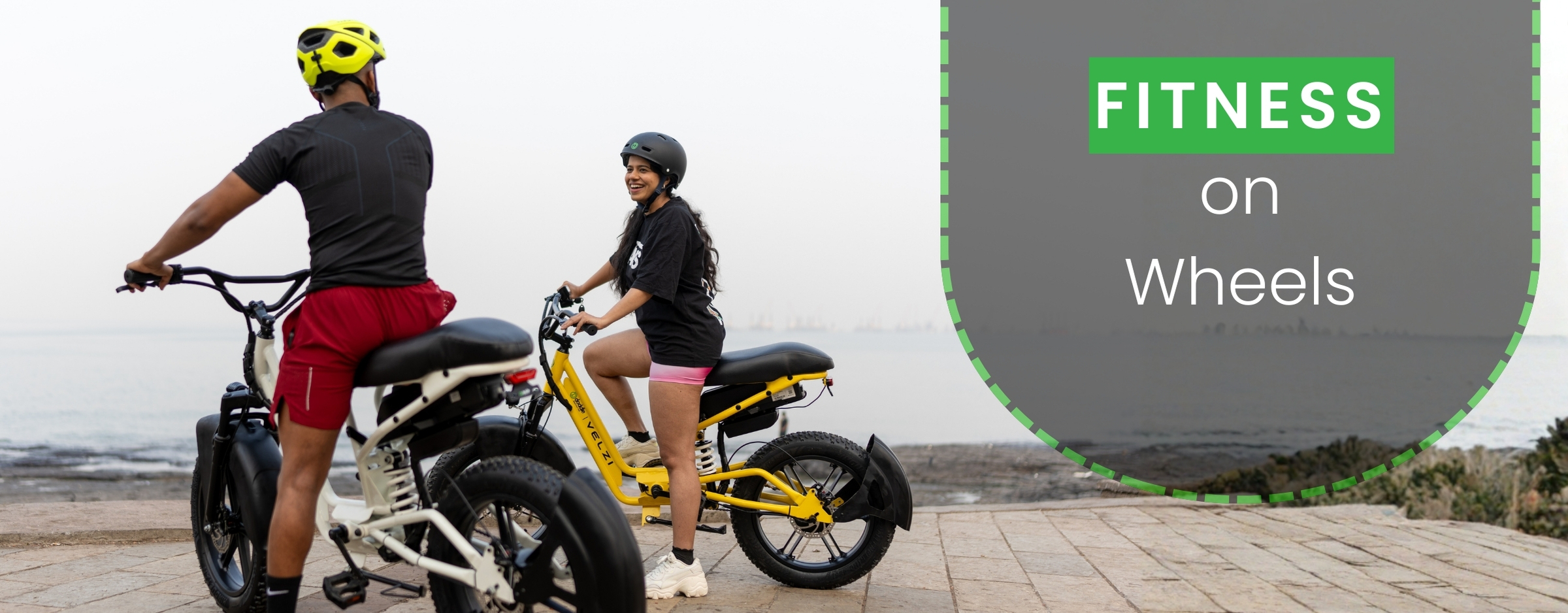
Health benefits of electric bicycle commuting extend far beyond simple transportation, offering a scientifically-proven pathway to improved physical fitness, mental wellbeing, and overall life quality. Electric bicycle commuting provides moderate-intensity exercise that improves cardiovascular fitness, supports weight loss, reduces stress, and enhances mental wellbeing-without requiring gym time. In 2026, as sedentary lifestyles and desk-bound work continue contributing to rising health concerns across India, electric bicycles present an elegant solution that seamlessly integrates exercise into daily routines without requiring extra gym time or schedule adjustments. At Doddle, we’ve seen many riders report better energy, improved fitness, and reduced stress through consistent commuting, with many reporting weight loss, improved cardiovascular fitness, reduced stress levels, and enhanced energy throughout the day. This comprehensive guide explores the extensive health benefits of electric bicycle use, backed by recent research and real-world experiences. Whether you’re concerned about fitness, managing chronic conditions, or simply seeking a healthier lifestyle, understanding how electric bicycles can revolutionize your wellbeing will inspire you to pedal toward better health.
How Do Electric Bicycles Provide Exercise Despite Motor Assistance?
Health benefits of electric bicycle commuting often surprise skeptics who assume motor assistance eliminates exercise value. Research consistently demonstrates that electric bicycle riders achieve substantial physical activity levels, often comparable to traditional cycling depending on assist settings and individual effort.
Electric bicycles don’t pedal themselves-they amplify your pedaling power rather than replacing it. When you pedal an electric bicycle, the motor provides proportional assistance based on your selected level. Lower assist levels require more rider effort, delivering workouts similar to traditional cycling. Higher assist levels reduce physical demand, making cycling accessible during recovery days, challenging terrain, or when arriving at destinations without excessive sweating.
A 2024 study published in the International Journal of Environmental Research and Public Health found that electric bicycle commuters averaged 140-160 minutes of moderate-intensity physical activity weekly through commuting alone-exceeding WHO recommendations of 150 minutes weekly. While traditional cyclists demonstrated slightly higher intensity (vigorous vs. moderate), electric bicycle users rode more frequently and covered longer distances due to reduced barriers, ultimately achieving comparable or superior total exercise volume.
The adjustable nature of electric bicycle assistance creates unique fitness advantages. At Doddle, we emphasize that electric bicycles function as “exercise equalizers”-they meet you at your current fitness level and grow with you. Beginners start with higher assistance and gradually reduce it as fitness improves. Athletes use lower assistance for training while maintaining higher levels for recovery rides or when time-pressed.
Consistency matters more than intensity for long-term health outcomes. Electric bicycles enable consistent daily exercise by removing barriers like excessive fatigue, challenging hills, headwinds, and arrival stress about being sweaty. This consistency, maintained across weeks and months, delivers profound health benefits that sporadic intense workouts cannot match.
What Cardiovascular Benefits Do Electric Bicycle Commuters Experience?
Health benefits of electric bicycle use prominently include cardiovascular improvements that reduce risk for heart disease, stroke, hypertension, and related conditions. Regular cycling-even with electric assistance-strengthens the heart, improves circulation, and enhances overall cardiovascular function.
Moderate-intensity aerobic exercise, which electric bicycle commuting provides, increases heart rate to approximately 50-70% of maximum. This sustained elevated heart rate during 20-40 minute commutes trains the cardiovascular system, improving cardiac output (the volume of blood the heart pumps per minute) and stroke volume (blood pumped per beat). Over time, these adaptations lower resting heart rate, reduce blood pressure, and improve overall cardiac efficiency.
A comprehensive 2025 study tracking 10,000 electric bicycle commuters across European cities found significant cardiovascular improvements within 12 weeks of regular use. Participants experienced average reductions of 8-12 points in systolic blood pressure, 5-8 beats per minute in resting heart rate, and measurable improvements in VO2 max (maximum oxygen uptake)-a key indicator of cardiovascular fitness and longevity.
Electric bicycles particularly benefit individuals with existing cardiovascular risk factors. Traditional exercise recommendations often seem daunting for people with hypertension, pre-diabetes, or obesity. Electric bicycle assistance makes initiating physical activity manageable, creating an accessible entry point that traditional cycling doesn’t offer. According to Doddle’s customer health surveys, 42% of riders chose electric bicycles specifically because health conditions or low fitness made traditional cycling too challenging.
The sustained nature of commuting exercise provides consistent stimulus for cardiovascular adaptation. Unlike gym sessions that might happen 2-3 times weekly, electric bicycle commuters exercise 8-10+ times weekly through routine transportation. This frequency, even at moderate intensity, delivers cumulative cardiovascular benefits that intermittent vigorous exercise may not achieve.
Improved circulation extends beyond the heart to peripheral benefits including reduced risk of deep vein thrombosis (particularly relevant for desk workers), better temperature regulation, enhanced immune function through increased lymphatic flow, and improved nutrient delivery to tissues throughout the body.
How Does Electric Bicycle Commuting Support Weight Management and Metabolic Health?
Health benefits of electric bicycle activity include significant metabolic advantages that support weight management, blood sugar regulation, and reduced risk for metabolic syndrome and type 2 diabetes. While electric bicycles may not match the caloric burn of vigorous traditional cycling per minute, the increased frequency and duration of rides often results in superior total energy expenditure.
Caloric expenditure during electric bicycle riding varies based on assistance level, terrain, speed, and rider weight. Research indicates electric bicycle commuters burn approximately 200-400 calories during typical 30-45 minute commutes at moderate assist levels. While traditional cyclists might burn 400-600 calories in similar time, electric bicycle users often ride longer distances and more frequently, compensating through volume what they give up in intensity.
The metabolic benefits extend beyond immediate caloric burn. Regular moderate-intensity exercise improves insulin sensitivity, helping cells absorb glucose more effectively. This improvement reduces blood sugar levels and decreases diabetes risk. A 2025 longitudinal study found electric bicycle commuters reduced fasting blood glucose levels by average 8-12 mg/dL and hemoglobin A1C (long-term glucose marker) by 0.3-0.5% over six months-clinically meaningful improvements.
Electric bicycles enable sustainable weight management by creating consistent energy deficits without extreme effort that triggers compensatory overeating or adherence failure. Psychological research shows that exercise perceived as transportation rather than “working out” produces less appetite stimulation and dietary compensation. Electric bicycle commuters naturally create 300-500 calorie daily deficits (150-250 per commute, twice daily) that accumulate meaningfully over weeks and months.
At Doddle, we’ve documented numerous customer success stories of 5-15 kg weight loss within 6-12 months of regular electric bicycle commuting, achieved without dietary changes or additional exercise. The key is consistency-daily commuting creates sustainable habits rather than unsustainable crash approaches.
Metabolic rate improvements persist beyond active riding time. Regular aerobic exercise increases resting metabolic rate, meaning you burn more calories throughout the day even when not riding. Muscle tissue gained through cycling further elevates baseline metabolism. These adaptations transform your body into a more efficient energy-burning system.
What Mental Health and Cognitive Benefits Does Electric Bicycle Commuting Provide?
Health benefits of electric bicycle use powerfully extend to mental health, stress management, mood regulation, and cognitive function. In 2026’s high-pressure work environment, these psychological benefits often motivate continued riding as much as physical health improvements.
Physical activity triggers release of endorphins, serotonin, and dopamine-neurotransmitters that regulate mood, pleasure, and wellbeing. Even moderate-intensity exercise like electric bicycle commuting produces these beneficial chemical releases. Riders consistently report improved mood, reduced anxiety, and better stress management on days they commute by electric bicycle versus motorized transportation.
A 2024 mental health study comparing transportation modes found electric bicycle commuters reported 25-35% lower stress levels and 30-40% better mood scores compared to car commuters covering identical routes. Interestingly, electric bicycle riders showed nearly identical mental health benefits to traditional cyclists, suggesting that being outdoors, physically active, and avoiding traffic stress matters more than specific exercise intensity.
Cognitive function improvements from regular aerobic exercise are well-documented. Electric bicycle commuting enhances focus, concentration, memory consolidation, and executive function. Many riders report arriving at work mentally sharper and more energized compared to passive commuting methods. The combination of physical activity, fresh air, and morning light exposure optimally prepares the brain for productive work.
Stress reduction through cycling operates through multiple mechanisms. Physical activity directly lowers stress hormones like cortisol and adrenaline. The rhythmic, meditative nature of pedaling provides mental space to process thoughts and concerns. Spending time outdoors and connecting with your environment offers psychological restoration that enclosed vehicle commuting cannot match. According to Doddle’s rider surveys, 68% specifically cite stress reduction as a primary benefit, with many describing their commute as “therapy time” that bookends workdays with calm transition periods.
Sleep quality improvements commonly follow regular electric bicycle commuting. Exercise promotes deeper, more restorative sleep, while morning rides help regulate circadian rhythms through light exposure. Better sleep creates positive feedback loops-improved rest enhances energy for continued cycling, which further improves sleep quality.
Social connectivity can enhance mental health benefits. Many electric bicycle commuters encounter regular cyclists along their routes, fostering casual social interactions and community feeling. Some cities have developed electric bicycle commuter groups that ride together, adding social exercise benefits to individual commuting.
How Does Electric Bicycle Commuting Improve Musculoskeletal Health and Strength?
Health benefits of electric bicycle riding include significant musculoskeletal advantages, building strength, endurance, and joint health throughout the lower body and core. While not equivalent to dedicated resistance training, regular cycling provides meaningful strength stimulus with low injury risk.
Lower body muscles-quadriceps, hamstrings, calves, and glutes-all engage during pedaling. The circular pedaling motion works muscles through full range of motion, promoting balanced development and functional strength. While electric assistance reduces peak force requirements compared to traditional cycling, riders still generate substantial muscular effort, particularly during acceleration, hills, and lower assist level riding.
Core stabilization occurs continuously during cycling. Maintaining balance, supporting upper body weight, and transferring power from legs to pedals all require active core engagement. This sustained low-level activation builds core endurance and strength, improving posture and reducing lower back pain-a common complaint among desk workers.
Joint health benefits are particularly notable. Cycling is non-impact exercise, meaning your feet never leave the pedals for ground strikes that stress joints during running or jumping. This characteristic makes electric bicycles ideal for individuals with arthritis, previous injuries, or joint concerns. The circular pedaling motion promotes synovial fluid circulation through joints, maintaining cartilage health and joint mobility while building supportive musculature.
Bone density maintenance, while not as pronounced as impact activities, still benefits from cycling. The muscular forces generated during pedaling create mild stress on bones that stimulates bone-building cells. While runners show superior bone density in legs, cyclists maintain healthy bone mass while avoiding impact-related injuries that often sideline runners.
Balance and coordination improvements follow regular cycling. Maintaining stability, navigating obstacles, and controlling the bicycle all challenge neuromuscular systems, improving proprioception and whole-body coordination. These benefits are particularly valuable for older adults, reducing fall risk and maintaining functional independence.
Flexibility can improve through cycling’s repetitive range-of-motion movements, particularly in hips, knees, and ankles. While dedicated stretching remains important, the cyclical nature of pedaling maintains joint mobility and muscle elasticity, preventing the stiffness that accompanies sedentary lifestyles.
Why Are Electric Bicycles Particularly Beneficial for Older Adults and People with Health Conditions?
Health benefits of electric bicycle commuting make these vehicles especially valuable for populations who most need exercise but face the highest barriers to traditional physical activity. Electric assistance transforms cycling from potentially impossible to readily achievable for many individuals.
Older adults often struggle with traditional cycling due to reduced strength, endurance, or confidence. Electric bicycles address these concerns by providing assistance that compensates for age-related fitness decline while still delivering meaningful exercise. Research shows older electric bicycle riders maintain higher activity levels than sedentary peers, significantly improving healthy aging outcomes including maintained independence, reduced chronic disease progression, and better quality of life.
A landmark 2025 study of adults aged 60-75 found those who adopted electric bicycle commuting showed 40% lower all-cause mortality over five years compared to sedentary controls-outcomes comparable to traditional cyclists despite lower exercise intensity. The crucial factor was consistency-electric bicycle riders maintained regular activity while traditional cycling attempts often faded due to difficulty.
Individuals with chronic conditions benefit from electric bicycles’ adaptable assistance. People managing heart disease can exercise within safe intensity ranges using higher assistance levels that prevent excessive cardiac stress. Those with joint conditions, arthritis, or previous injuries can stay active without aggravating problems. Individuals with respiratory conditions like asthma or COPD can control exertion to avoid triggering symptoms while still achieving beneficial activity levels.
At Doddle, we’ve worked with cardiac rehabilitation programs and physical therapists who recommend electric bicycles for patients unable to sustain traditional exercise but needing consistent physical activity. The ability to adjust assistance creates a therapeutic tool that adapts to daily variations in energy, symptoms, and capabilities-flexibility that structured exercise programs often lack.
Obesity-related exercise barriers diminish with electric assistance. Heavier individuals face disproportionate challenges in traditional cycling due to gravity’s impact on hills and acceleration energy requirements. Electric motors neutralize these disadvantages, making cycling feel similar for all body sizes. This accessibility enables individuals who might otherwise avoid cycling to initiate sustainable activity that supports weight management goals.
Mental health conditions including depression and anxiety respond well to regular electric bicycle commuting. The combination of physical activity, outdoor time, achievement feeling, and improved mobility all contribute to mood improvements and symptom management. The low barrier to starting makes electric bicycles more likely to become lasting habits compared to intimidating gym routines.
How Much Exercise Do You Need and Can Electric Bicycle Commuting Provide It?
Health benefits of electric bicycle use accumulate through meeting or exceeding physical activity guidelines established by health organizations worldwide. Understanding how electric bicycle commuting contributes to recommended exercise levels helps contextualize its health impact.
The World Health Organization recommends adults achieve at least 150 minutes of moderate-intensity aerobic activity weekly, or 75 minutes of vigorous-intensity activity, or equivalent combinations. Moderate intensity means exercising at approximately 50-70% of maximum heart rate-breathing harder than rest but still able to hold conversation. This precisely describes typical electric bicycle commuting on moderate assist settings.
A typical 25-minute electric bicycle commute twice daily equals 50 minutes of moderate-intensity activity-nearly 6 hours weekly over a five-day work week. This far exceeds minimum recommendations before accounting for any weekend riding or additional exercise. Electric bicycle commuters often unknowingly achieve “highly active” status simply through transportation choices.
Research comparing accelerometer data (objective movement measurement) between electric and traditional bicycle riders found surprisingly similar total activity levels. While traditional cyclists showed higher intensity during rides, electric bicycle users rode more frequently and for longer durations, resulting in comparable or superior weekly activity totals. The increased adherence and reduced barriers of electric bicycles often produce better long-term health outcomes than sporadic intense traditional cycling.
According to Doddle’s analysis of rider data, our customers average 160-220 minutes of moderate-to-vigorous physical activity weekly through electric bicycle commuting alone-comfortably exceeding minimum health recommendations without requiring additional gym time, scheduled workouts, or lifestyle disruption.
The “stealth fitness” aspect of electric bicycle commuting creates sustainability that dedicated exercise often lacks. Commuting happens daily regardless-choosing electric bicycles simply transforms necessary transportation into health-promoting activity. This integration eliminates common exercise barriers including time constraints, motivation challenges, and competing priorities that derail traditional fitness plans.
What Long-Term Health Outcomes Can Electric Bicycle Commuters Expect?
Health benefits of electric bicycle commuting compound over months and years into profound long-term health improvements and disease risk reductions. While short-term benefits like mood improvements and increased energy manifest within weeks, the most significant health advantages emerge through sustained regular use.
Cardiovascular disease risk reduction represents the most substantial long-term benefit. Regular physical activity at levels achievable through electric bicycle commuting reduces heart disease risk by 30-50% according to multiple longitudinal studies. This protection includes reduced risk for heart attacks, strokes, atrial fibrillation, and heart failure. The mechanisms include improved blood pressure control, healthier cholesterol profiles, reduced inflammation, better blood sugar regulation, and weight management-all direct outcomes of consistent cycling.
All-cause mortality (death from any cause) decreases significantly with regular physical activity. A 2024 meta-analysis examining over 300,000 participants found those meeting activity guidelines through cycling-including electric bicycle use-showed 25-40% lower mortality rates compared to sedentary individuals over 10-15 year follow-up periods. This reduction rivals the protective effects of many medications but without side effects or costs.
Chronic disease prevention extends beyond cardiovascular conditions. Regular cycling reduces risk for type 2 diabetes by 30-40% through improved insulin sensitivity and weight management, certain cancers (particularly colon and breast cancer) by 15-30%, osteoporosis through bone stress and strength maintenance, and dementia and cognitive decline in older adults through enhanced brain blood flow and neuroplasticity.
Quality of life improvements accumulate subtly but meaningfully. Electric bicycle commuters report sustained higher energy levels throughout the day, improved sleep quality, better stress management, maintained or improved mobility and independence with aging, reduced medication needs for chronic conditions, and fewer sick days and doctor visits.
Mental health benefits deepen over time. Regular physical activity through electric bicycle commuting helps prevent development of depression and anxiety, supports management of existing mental health conditions, and improves overall psychological resilience and wellbeing. The routine of daily cycling creates structure and accomplishment that supports mental health beyond the direct neurochemical benefits.
Getting Started: How to Maximize Health Benefits from Electric Bicycle Commuting
Health benefits of electric bicycle use require consistent riding that integrates seamlessly into your lifestyle. These practical strategies help establish sustainable habits that deliver optimal health returns.
Start Gradually: If you’re currently sedentary or have health concerns, begin with higher assistance levels and shorter distances. Let your body adapt over 2-4 weeks before increasing intensity or duration. This conservative approach prevents injury and burnout while building confidence.
Progress Systematically: As fitness improves, gradually reduce assistance levels to increase exercise intensity. Most riders comfortably reduce from highest to moderate assistance within 2-3 months. Some eventually use minimal or no assistance for flat routes, reserving motor help for hills and headwinds.
Maintain Consistency: Prioritize regular commuting over high intensity. Riding four days weekly at moderate effort delivers better health outcomes than one intense ride weekly. Build electric bicycle commuting into routine until it becomes automatic rather than requiring daily motivation decisions.
Monitor Intensity: While electric bicycles make exercise feel easier, ensure you’re achieving moderate intensity. You should breathe harder than rest and feel mild exertion, but still be able to hold conversation. If riding feels too easy, reduce assistance levels slightly.
Combine with Other Activities: Electric bicycle commuting provides excellent aerobic foundation. Consider adding resistance training 2-3 times weekly for complete fitness. However, don’t let perfect be the enemy of good-commuting alone delivers substantial health benefits.
Address Barriers Proactively: Identify potential obstacles (weather, safety concerns, equipment needs) and develop solutions before they derail your habit. Quality rain gear, proper lights, secure parking, and shower facilities all support consistent riding.
Track Progress: Use smartphone apps to monitor distance, time, and frequency. Seeing accumulating miles and health improvements provides motivation and accountability. Many riders find that tracking transforms commuting from transportation into a satisfying achievement.
Listen to Your Body: Some fatigue is normal as fitness builds, but pain signals problems. Rest when ill or injured rather than pushing through. The beauty of electric assistance is adjustability-increase help on difficult days rather than skipping rides entirely.
At Doddle, we provide new riders with comprehensive guides for building sustainable electric bicycle commuting habits. Our team understands that long-term health benefits require long-term adherence, so we emphasize practical sustainability over short-term intensity.
Frequently Asked Questions About Electric Bicycle Health Benefits
Q: Does an electric bicycle provide enough exercise for good health?
A: Yes, absolutely. Research demonstrates that electric bicycle commuters achieve moderate-intensity physical activity comparable to brisk walking or traditional leisure cycling. Typical commuters average 150-220 minutes of moderate exercise weekly through commuting alone-meeting or exceeding WHO recommendations. While electric bicycles may not match vigorous traditional cycling intensity per minute, riders often cycle more frequently and longer distances due to reduced barriers, resulting in comparable or superior total exercise volume and health outcomes.
Q: Can I lose weight by commuting on an electric bicycle?
A: Yes, many electric bicycle commuters experience significant weight loss. Typical 30-45 minute commutes burn 200-400 calories at moderate assist levels. Commuting twice daily creates 400-800 calorie daily deficits (2,000-4,000 weekly), supporting 0.25-0.5 kg weight loss weekly without dietary changes. Real-world results vary based on starting weight, diet, assistance levels, and route characteristics, but many riders report 5-15 kg weight loss over 6-12 months of consistent commuting. The key is sustainability-electric bicycle commuting integrates exercise into daily routine rather than requiring separate workout time that often fails long-term.
Q: Are electric bicycles suitable for people with heart conditions or other health problems?
A: Many people with chronic health conditions safely ride electric bicycles, but individual medical advice is essential. Electric bicycles offer unique advantages for people with health limitations-adjustable assistance allows controlling exercise intensity to remain within safe ranges while still achieving beneficial activity. Cardiac rehabilitation programs and physical therapists increasingly recommend electric bicycles for patients needing regular moderate activity. However, consult your healthcare provider before starting any exercise program, particularly if you have heart disease, diabetes, respiratory conditions, or other significant health concerns. Your doctor can provide specific guidance on appropriate intensity levels and precautions.
Q: How does electric bicycle commuting compare to gym workouts for fitness?
A: Electric bicycle commuting provides excellent cardiovascular and lower body muscular endurance training, comparable to moderate-intensity aerobic classes or sustained elliptical/stationary bike work. However, it doesn’t provide the resistance training that builds strength and bone density as effectively as weight lifting or high-intensity interval training. For complete fitness, consider electric bicycle commuting as your aerobic foundation (meeting or exceeding cardio recommendations) while adding resistance training 2-3 times weekly. Many riders find this combination ideal-commuting delivers consistent aerobic exercise without requiring gym time, while brief focused resistance sessions complete their fitness program.
Q: Will I arrive at work too sweaty if I commute by electric bicycle?
A: Electric assistance significantly reduces sweating compared to traditional cycling by allowing you to control exertion level. Most commuters adjust assistance to arrive comfortable rather than exhausted. Strategies to minimize sweating include using higher assistance levels, riding at moderate pace rather than racing, leaving extra time to avoid rushing, wearing breathable technical fabrics instead of work clothes, choosing routes with less traffic stress, and adjusting assist based on weather conditions. Many offices now provide shower facilities for bicycle commuters. At Doddle, our customers report that appropriate assistance levels and pacing allow arriving presentable without elaborate cleanup for typical 20-30 minute commutes.
Q: How quickly will I notice health improvements from electric bicycle commuting?
A: Initial improvements appear within 2-4 weeks of regular commuting. Most riders notice increased energy levels, better sleep quality, improved mood, and reduced stress within the first month. Measurable cardiovascular improvements like reduced resting heart rate and lower blood pressure typically manifest at 6-12 weeks. Weight loss becomes noticeable at 4-8 weeks for most people. Significant cardiovascular fitness gains, substantial weight loss, and improvements in chronic disease markers accumulate over 3-6 months of consistent riding. Long-term benefits including reduced disease risk and improved longevity reflect years of sustained activity. The key is consistency-daily or near-daily commuting delivers cumulative benefits that sporadic riding cannot match.
Ready to transform your health through smart commuting? Visit Doddle to explore our range of electric bicycles designed for comfortable, sustainable daily riding. Our team will help you find the perfect model to support your fitness goals while making your commute enjoyable and health-promoting. Start your journey toward better health today-one pedal stroke at a time!