
Test Ride Checklist: 15 Things to Check Before Buying an Electric Cycle
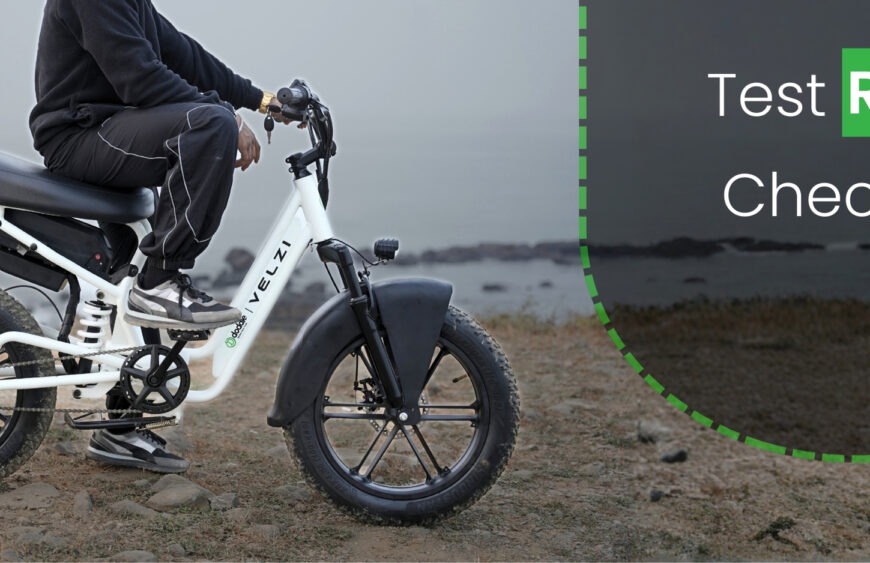
Electric cycles have become the smart commuter’s choice in 2026, offering an eco-friendly, cost-effective alternative to traditional transportation. However, purchasing an electric cycle is a significant investment, and nothing replaces the insights gained from a proper test ride. At Doddle, we’ve guided thousands of customers through their buying journey, and we consistently emphasize one critical step: never buy an electric cycle without testing it first. A thorough test ride reveals everything from comfort and performance to potential issues that specifications alone can’t communicate. This comprehensive checklist covers 15 essential points to evaluate during your test ride, ensuring you make an informed decision and find the perfect electric cycle for your needs.
Why Is a Test Ride Important Before Buying an Electric Cycle?
Electric cycles represent a substantial financial commitment, typically ranging from ₹25,000 to over ₹100,000 depending on features and specifications. A test ride transforms theoretical specifications into real-world experience, helping you understand how the bike actually feels and performs under your control.
Beyond the investment aspect, electric cycles vary dramatically in design, geometry, motor responsiveness, and handling characteristics. What works perfectly for one rider might feel uncomfortable or unsuitable for another. Factors like your height, weight, riding style, and intended use all influence which electric cycle will serve you best. A 15-30 minute test ride provides invaluable insights that online research and sales pitches cannot deliver.
At Doddle, we encourage potential buyers to test ride multiple models whenever possible. This comparative experience helps you develop preferences and understand the differences between budget, mid-range, and premium electric cycles. The investment of time in thorough test rides pays dividends in satisfaction and prevents costly purchasing mistakes.
What Should You Check About the Frame and Build Quality?
Electric cycle frames form the foundation of your riding experience, impacting everything from comfort to durability. During your test ride, start by examining the frame material and construction. Electric cycle frames are commonly made from aluminum alloy, steel, or carbon fiber. Steel frames, like the one used on Velzi, prioritize durability, ride comfort, and long-term reliability over lightweight construction, making them especially suitable for Indian road conditions.. Aluminum offers an excellent strength-to-weight ratio and corrosion resistance, making it popular for High-range models. Carbon fiber, found in premium electric cycles, delivers exceptional lightness and strength but commands higher prices.
Inspect the frame for any visible welding defects, paint imperfections, or manufacturing flaws. Quality construction shows clean welds, consistent paint application, and attention to detail. Check the folding mechanism if considering a foldable electric cycle-it should operate smoothly with secure locking that inspires confidence. Test the fold-and-unfold process yourself to ensure you can manage it easily. Non-foldable electric cycles eliminate folding joints entirely, reducing long-term wear points and improving structural integrity
Pay attention to cable routing and component integration. Well-designed electric cycles feature internal cable routing that protects wires from weather and damage while creating a clean aesthetic. The battery mounting should be secure with no rattling or movement. Examine how components attach to the frame-quality bikes use proper mounting points rather than aftermarket adaptations.
Finally, verify the weight capacity rating matches your needs. Most electric cycles support 100-120 kg total weight (rider plus cargo). If you’re a heavier rider or plan to carry significant loads, confirm the frame can handle it safely.
How Does the Motor Perform During Your Test Ride?
Electric cycle motors are the heart of the e-bike experience, and their performance varies significantly across models and brands. Begin your motor evaluation by testing the pedal-assist engagement. Quality electric cycles feature smooth, natural motor activation when you start pedaling. The assistance should feel progressive rather than abrupt or jerky.
Test each available pedal-assist level during your ride. Most electric cycles offer 3-5 levels of assistance. Lower levels provide subtle support for gentle cruising, while higher levels deliver substantial power for hills and faster speeds. The transitions between levels should be responsive but smooth. According to Doddle’s testing protocols, the best electric cycles allow you to feel the difference between assist levels without overwhelming or underwhelming the rider.
Pay special attention to motor responsiveness when starting from a complete stop. Some electric cycles experience slight delays before motor engagement, which can feel unnatural. Premium models offer nearly instantaneous response that makes the riding experience more intuitive and enjoyable.
Test the motor on varied terrain if possible. Ride on flat surfaces, uphill sections, and rough roads to understand how the motor handles different conditions. Does it maintain consistent power output? Does it strain or overheat during sustained uphill climbs? Can you feel excessive vibration or hear unusual noises from the motor during operation?
Many modern electric cycles include throttle modes that provide power without pedaling. If your test model has this feature, evaluate its responsiveness and usefulness for your riding style. Some riders prefer pure pedal-assist, while others appreciate throttle mode for starting at intersections or navigating slow-speed situations.
What Should You Know About Battery Performance and Range?
Electric cycle batteries determine how far you can travel, making them crucial to evaluate during your test ride. While a single test ride won’t reveal complete battery performance, you can gather important information. Note the battery charge level at the start and monitor how it depletes during your ride. This gives you a rough sense of range under your specific conditions.
Check the battery display or indicator system. Quality electric cycles provide clear, accurate information about remaining charge, either through LED indicators or LCD displays showing percentage. The display should be easily visible while riding without requiring you to look down for extended periods.
Ask about battery specifications: capacity (measured in watt-hours or Wh), expected range, charging time, and battery lifespan. Commuter electric cycle batteries typically range from 400Wh to 650Wh, depending on range expectations. Higher-capacity batteries, such as Velzi’s 624Wh (48V 13Ah) battery, support longer daily commutes with fewer charging cycles and better real-world range consistency. Be skeptical of manufacturers claiming extraordinary ranges-real-world performance typically falls below maximum advertised distances.
Examine battery removal and installation if the model features a removable battery. The process should be straightforward, requiring no tools. Removable batteries offer charging convenience since you can bring them inside rather than positioning your entire electric cycle near an outlet. Check the battery weight-most range from 2-3 kg-and ensure you can comfortably handle it.
Inquire about battery warranty coverage. Reputable manufacturers offer at least 1-2 years of warranty on battery performance, often guaranteeing that capacity won’t drop below 70-80% during the warranty period.
How Comfortable Is the Riding Position and Ergonomics?
Electric cycle comfort dramatically affects your riding enjoyment, especially for daily commuters covering significant distances. Evaluate the riding position carefully during your test ride. Do you feel naturally balanced, or does the position feel strained? The ideal geometry positions you comfortably upright for city riding or slightly forward for sportier performance, depending on your preferences.
Test the handlebar height and reach. Your arms should be slightly bent, not locked straight or cramped. If the handlebars feel too high, low, far, or close, ask whether adjustments are possible. Some electric cycles offer adjustable stems or handlebar positions, while others use a fixed, commuter-optimized geometry designed for consistent comfort and reduced maintenance.
Saddle comfort matters enormously, yet it’s highly personal. Spend several minutes riding to let your body settle and identify any pressure points or discomfort. Quality electric cycles come with reasonably comfortable saddles, though many riders eventually upgrade to models matching their anatomy and preferences. At minimum, ensure the saddle doesn’t cause immediate discomfort during your test ride.
Check the seat height adjustment range. Some commuter electric cycles, including Velzi, use non-adjustable seat setups, relying on frame geometry and sizing to deliver a comfortable riding posture rather than multiple adjustment points. You should be able to set the saddle so your leg extends almost fully at the bottom of each pedal stroke with a slight bend remaining. Too low causes knee strain; too high prevents proper power transfer and feels unstable.
Test various riding positions-standing while pedaling, seated upright, leaning forward-to understand the bike’s versatility. Some electric cycles handle position changes better than others, affecting how comfortable you’ll feel during longer rides with varied terrain.
What About Braking Performance and Safety?
Electric cycle braking systems are critical safety components that deserve thorough evaluation. Modern electric cycles typically feature mechanical disc brakes, hydraulic disc brakes, or V-brakes. Hydraulic disc brakes offer the best performance with powerful, progressive stopping power and minimal maintenance. Mechanical disc brakes provide good performance at lower cost but require more frequent adjustment. V-brakes, found on budget models, work adequately but can’t match disc brake performance in wet conditions.
During your test ride, practice emergency stops from various speeds. Quality brakes should bring you to a controlled, straight stop without excessive lever force. The braking should feel progressive-light lever pressure for gentle slowing, firmer pressure for rapid stops-rather than grabby or inconsistent.
Test the brakes on both flat and downhill sections if possible. They should maintain consistent performance without fading during extended braking. Listen for any unusual noises like squealing or grinding, which might indicate worn pads or poor adjustment.
Check brake lever positioning and reach. Your fingers should comfortably reach and operate the levers without stretching or awkward hand positions. Many quality electric cycles offer adjustable reach to accommodate different hand sizes.
Evaluate the integration between the braking system and motor cutoff. When you squeeze the brakes, the motor should immediately stop providing assistance to prevent the bike from fighting against your braking efforts. This motor cutoff should activate smoothly without causing abrupt deceleration.
How Do the Gears and Drivetrain Function?
Electric cycle drivetrains range from single-speed systems to multi-speed gear setups. Single-speed electric cycles, such as Velzi, prioritize reliability, low maintenance, and simplicity. Motor assistance compensates for the absence of gears, making single-speed drivetrains well-suited for urban commuting and stop-and-go traffic.
Electric cycle drivetrains vary from single-speed simplicity to multi-speed versatility. If your test model includes gears, evaluate their performance carefully. Shift through the entire gear range while riding at different speeds. Quality drivetrains shift smoothly and quietly with minimal hesitation or noise.
Pay attention to chain line and alignment. Properly adjusted electric cycles maintain the chain in appropriate positions without excessive skipping or noise. Cross-chaining (running the chain at extreme angles) should still function reasonably well, though it’s not ideal for regular use.
Test gear shifting under load-while pedaling with moderate effort. Some entry-level electric cycles require you to stop pedaling briefly during shifts, while better systems allow shifts under continuous pedaling. Consider which approach matches your riding style and preferences.
Note the gear range. Does the lowest gear provide enough reduction for steep hills? Can the highest gear handle your maximum desired speed without feeling like you’re pedaling through air? Most electric cycles balance their gear ranges appropriately for their motor characteristics, but personal preferences vary.
Check the chain, chainring, and cassette condition. New electric cycles should have clean, well-lubricated chains and unworn components. Any rust, excessive wear, or damage suggests poor storage or quality issues.
What Display Features and Controls Are Available?
Electric cycle displays and controls serve as your interface with the bike’s electronic systems. Modern displays range from simple LED indicators to sophisticated LCD or color screens showing multiple data points. During your test ride, familiarize yourself with the display and its information.
Basic displays show battery level, current speed, and assist level-the essential information for most riders. Advanced displays add trip distance, odometer readings, average speed, maximum speed, estimated range, power consumption, and sometimes GPS navigation or smartphone connectivity. Determine which features you’ll actually use versus those that add complexity and cost without practical benefit.
Test the display visibility in current lighting conditions. Can you easily read it in bright sunlight? Does it have backlight for night riding? The display should provide information at a glance without requiring extended attention that diverts your focus from the road.
Evaluate the control interface for changing assist levels and accessing display functions. Controls should be intuitive and reachable without removing your hands from normal riding position. Some electric cycles use handlebar-mounted buttons, others integrate controls into the display itself. Test the responsiveness-buttons should register reliably without requiring excessive force or multiple presses.
Check whether the electric cycle offers smartphone connectivity via Bluetooth. Some 2026 electric cycles integrate with smartphone apps that provide ride analytics, battery insights, or firmware updates, while others focus on simple, reliable displays without app connectivity to reduce complexity and distractions. If these features interest you, test the connection during your ride.
How Does the Electric Cycle Handle Different Terrains?
Electric cycle handling characteristics become apparent when you test various surfaces and conditions. If possible, ride on smooth pavement, rough roads, speed breakers, and slight inclines to understand the bike’s versatility and limitations.
Evaluate suspension performance if the electric cycle includes front fork suspension or full suspension. Full-suspension electric cycles, like Velzi, significantly improve ride comfort on potholes, broken roads, and speed breakers—common challenges in Indian cities—by reducing rider fatigue and improving control during daily commutes. Suspension should absorb bumps and rough surfaces while maintaining control and efficiency. Over-soft suspension feels plush but wastes pedaling energy and can cause the bike to wallow during climbs. Over-firm suspension transmits too much vibration and impact to the rider. Quality electric cycles balance comfort and performance appropriately for their intended use.
Test the tire performance and grip. Most electric cycles come with tires ranging from 20-inch folders to 27.5 or 29-inch standard sizes. Larger tires generally roll more efficiently and handle obstacles better. Check the tire tread pattern and condition. Smooth or lightly treaded tires work well for paved roads, while more aggressive tread handles mixed surfaces.
Pay attention to stability at various speeds. The electric cycle should feel planted and controlled at low speeds, confident at moderate speeds, and stable at maximum velocity. Any wobbling, shaking, or wandering suggests geometry or component issues.
Test tight turns and maneuverability. Can you comfortably navigate the bike through confined spaces? Does it feel stable during moderate-speed cornering? The electric cycle should respond predictably to steering inputs without feeling twitchy or unresponsive.
What Are the Noise Levels During Operation?
Electric cycle noise levels affect riding enjoyment and can indicate quality issues. A well-designed electric cycle operates relatively quietly with minimal mechanical noise. During your test ride, pay attention to sounds from various components.
The motor should run smoothly without excessive whining, clicking, or grinding. Some noise is normal-brushless motors produce a slight whine that increases with power output-but the sound should be smooth and consistent, not harsh or irregular. Unusual noises might indicate motor defects or poor manufacturing quality.
Listen to the drivetrain during pedaling and shifting. Chains should run quietly with perhaps slight clicking from pawl engagement in the rear hub. Excessive noise suggests poor adjustment, worn components, or inadequate lubrication. Gears should shift with minimal noise-loud clicking or grinding during shifts indicates adjustment problems.
Brakes should operate quietly except for potential slight rubbing when wheels aren’t perfectly true. Squealing or grinding suggests worn brake pads, contaminated rotors, or adjustment needs.
Frame and component rattles indicate loose mounting or poor quality control. Give the bike a shake when stationary and listen for any rattles or loose parts. During riding, nothing should rattle or buzz. Quality electric cycles feature secure component mounting and attention to detail that eliminates annoying noises.
How Does the Weight Affect Handling and Portability?
Electric cycles weigh significantly more than traditional bicycles due to motors and batteries, typically ranging from 18-28 kg for standard models and 15-22 kg for folding versions. Comfort-focused commuter electric cycles with steel frames, full suspension, and high-capacity batteries can weigh significantly more. For example, Velzi weighs approximately 45 kg including the battery. This added weight enhances ride stability and comfort but makes lifting or carrying impractical. Such electric cycles are best suited for ground-level parking and daily riding rather than portability. During your test ride, consider how the weight affects your experience and whether you can manage it in real-world situations.
Test starting from stops and slow-speed maneuvers to understand how the weight influences handling. Heavier electric cycles require more effort to initiate movement but feel stable once rolling. If you frequently navigate crowded areas or need precise low-speed control, weight becomes more significant.
If you’re testing a foldable electric cycle, fold it and try carrying or rolling it. Can you comfortably lift it for short distances? Many folders include wheels for rolling when folded, which greatly improves portability. If you’ll carry the bike up stairs, into offices, or onto public transportation, ensure you can realistically manage its weight.
Consider where you’ll store the electric cycle. Will you need to lift it onto hooks, carry it up stairs, or move it regularly? Heavier models might be fine for ground-level parking but problematic if you live on the third floor without elevator access.
What Safety Features Should You Verify?
Electric cycle safety features extend beyond brakes to include lights, reflectors, bells, and modern additions like integrated locks or GPS tracking. During your test ride, verify that all safety features function properly and meet your needs.
Test integrated lights if equipped. They should provide adequate illumination for night riding-bright enough to see the road ahead and be visible to other traffic. Check both front white lights and rear red lights. Some electric cycles include automatic light sensors that activate in low-light conditions.
Verify that reflectors are present and securely mounted. Indian regulations require reflectors on pedals, wheels, front, and rear. Quality electric cycles include these as standard equipment.
Test the horn or bell. It should be loud enough to alert pedestrians and other cyclists, easily reachable while riding, and produce a clear, attention-getting sound.
Inquire about additional safety features. Some 2026 electric cycles include anti-theft GPS tracking, smartphone alerts if the bike moves unexpectedly, automatic brake lights that activate during braking, and integrated locks. According to Doddle’s customer feedback, these features provide valuable peace of mind in urban environments where theft concerns are real.
Check for fender and chain guard presence if these matter to you. Fenders keep you clean in wet conditions, while chain guards prevent clothing from catching in the drivetrain.
How Good Is the Overall Build Quality and Finish?
Electric cycle build quality manifests in details that affect long-term satisfaction and durability. During your test ride and inspection, look beyond major components to examine overall fit and finish.
Inspect paint quality and finish. High-quality electric cycles feature even, consistent paint application without runs, orange peel texture, or thin spots. Minor imperfections are normal, but extensive flaws suggest quality control issues.
Check cable management and routing. Cables should be neatly secured with proper guides or internal routing. Loose or tangled cables look messy and can snag on obstacles.
Examine fasteners, bolts, and hardware throughout the bike. They should be uniform quality, properly tightened, and show no signs of rust or damage. Quality brands use stainless steel or properly treated hardware that resists corrosion.
Test accessory mounting points if you plan to add racks, baskets, fenders, or bottle cages. The electric cycle should include threaded bosses or mounting options for common accessories. Aftermarket mounting can be difficult or impossible on some models.
Look at component branding and specifications. Premium electric cycles use recognized component manufacturers like Shimano, Tektro, or Kenda rather than unbranded parts. While brand names don’t guarantee quality, they indicate that the manufacturer invested in proven components rather than sourcing the cheapest available options.
What Warranty and After-Sales Support Does the Brand Offer?
Electric cycle ownership extends far beyond the purchase moment, making warranty coverage and after-sales support crucial considerations. Before finalizing any purchase, understand the complete service picture.
Ask about warranty duration and coverage for different components. Typical electric cycles include 1-2 years frame warranty, 1-2 years motor warranty, 1-2 years battery warranty, and 6-12 months for other components. Premium brands may offer extended coverage. Understand what the warranty covers-manufacturing defects versus wear items versus accidental damage.
Inquire about local service center availability. Even the most reliable electric cycle eventually needs maintenance or repairs. Brands with established service networks make ownership significantly more convenient. Ask specifically about service centers in your city and their reputation for quality and timeliness.
Understand parts availability. Can common wear items like brake pads, tires, and cables be sourced easily? Are proprietary components like batteries, motor parts, and displays available for replacement years after purchase? At Doddle, we maintain comprehensive parts inventory and service infrastructure to support our customers throughout their ownership journey.
Ask about software updates for electric cycles with digital displays and smartphone integration. Some brands regularly release firmware updates that improve performance or add features, while others abandon products after sale.
How Does the Price Compare to Features and Competition?
Electric cycle pricing reflects numerous factors including components, brand reputation, warranty, and market positioning. During your test ride and research, evaluate whether the asking price aligns with delivered value.
Compare the electric cycle’s specifications and features to similarly priced competitors. Does it offer better components, longer warranty, superior battery capacity, or additional features that justify its price point? Or are you paying premium prices for average specifications?
Consider the total cost of ownership beyond purchase price. Inexpensive electric cycles might use cheaper components requiring frequent replacement or offer minimal warranty coverage that leaves you vulnerable to repair costs. Sometimes paying more initially delivers better long-term value through quality, reliability, and support.
Look for current promotions, discounts, or government incentives. Several Indian states offer subsidies for electric vehicle purchases under FAME II programs, potentially reducing effective cost by ₹5,000-₹15,000. Some brands include accessories like helmets, locks, or phone mounts as purchase incentives.
Don’t hesitate to negotiate. Many electric cycle dealers have flexibility on pricing, especially for previous year models or during seasonal sales. However, avoid compromising essential features or quality solely to reach a particular price point.
Making Your Final Decision After the Test Ride
Electric cycles transform urban transportation, offering practical, eco-friendly mobility that fits modern lifestyles. A thorough test ride using this 15-point checklist ensures you understand exactly what you’re purchasing and whether it matches your needs, preferences, and budget.
Take notes during or immediately after your test ride while impressions remain fresh. If possible, test ride multiple electric cycles on the same day to facilitate direct comparison. Pay attention to your gut feelings-beyond specifications and features, riding should feel enjoyable and natural.
Don’t rush your decision. If something feels wrong or uncertain, continue researching and testing until you’re confident. The right electric cycle will check most or all boxes on this list while fitting comfortably within your budget and delivering the specific capabilities your riding requires.
Remember that perfect rarely exists-every electric cycle involves some compromises. Prioritize the factors most important to your usage and be willing to accept minor shortcomings in less critical areas.
When you find the right match, you’ll know it. The combination of specifications, features, feel, price, and confidence in the brand will align to create that “yes, this is the one” moment. Trust your research, trust your test ride experience, and invest in an electric cycle that will serve you well for years to come.
Frequently Asked Questions About Test Riding Electric Cycles
Q: How long should an electric cycle test ride last?
A: An adequate test ride should last at least 15-20 minutes, though 30-45 minutes is ideal for comprehensive evaluation. This duration allows you to move beyond initial impressions and identify comfort issues, handling characteristics, and performance details that only emerge after your body settles into riding. If possible, extend the test ride to include varied terrain, traffic conditions, and different assist levels.
Q: Should I test ride an electric cycle in the same conditions I’ll ride regularly?
A: Yes, absolutely. If you’ll commute during rush hour traffic, test ride in similar conditions. If you’ll ride on rough roads or hilly terrain, include those elements in your test route. Morning commuters should test in morning traffic; evening riders should test then. Weather permitting, try to replicate your actual riding conditions as closely as possible to understand real-world performance rather than ideal-situation behavior.
Q: Can I test ride multiple electric cycles from different brands in one day?
A: Yes, and we strongly recommend this approach. Testing multiple electric cycles back-to-back provides immediate comparison that helps you understand differences in performance, comfort, and features. Your brain naturally compares recent experiences, making consecutive test rides ideal for decision-making. Contact multiple dealers in advance to schedule appointments and maximize your testing efficiency.
Q: What should I bring to a test ride appointment?
A: Bring comfortable riding clothes and closed-toe shoes suitable for cycling. If you have specific gear you’ll use regularly-like a backpack, laptop bag, or work clothes-bring these to test how they feel while riding. Carry your smartphone to record notes or take photos. Bring water for hydration during longer test rides. If you wear prescription glasses, bring them. Finally, bring a checklist (like this article) to ensure you evaluate all important aspects.
Q: Is it normal to feel awkward during the first few minutes of an electric cycle test ride?
A: Yes, completely normal. Electric cycles feel different from traditional bicycles, and each model has unique characteristics. The motor assistance takes adjustment, and you need time to develop feel for the bike’s weight, geometry, and handling. Give yourself 5-10 minutes to adjust before forming judgments about comfort and performance. If awkwardness persists beyond this adaptation period, the electric cycle might not suit you well.
Q: What if the dealer doesn’t offer test rides or has limited test options?
A: Exercise caution with dealers who don’t offer test rides or severely limit testing opportunities. Test rides are industry standard for good reason-they protect both buyer and seller by ensuring fit before purchase. If a brand or dealer restricts testing, consider this a red flag. Look for alternative dealers, brands with more customer-friendly policies, or at minimum, ensure strong return policies that allow you to exchange or return the electric cycle if it doesn’t meet expectations after purchase.
Ready to find your perfect electric cycle? Visit Doddle to schedule comprehensive test rides with our knowledgeable team. We provide extended test rides on all models, helping you make confident, informed decisions backed by real riding experience. Your ideal electric cycle for real Indian commuting awaits.